

Overview of the Cyprus Job Market in 2026
Economic Growth and Employment Trends
Cyprus is quietly becoming one of Europe’s most attractive employment destinations, especially for people seeking stable income with a relaxed lifestyle. In 2026, the country’s economy continues to show steady growth, fueled by tourism, real estate, shipping, and financial services. If you’ve been wondering whether Cyprus is worth considering for work, the short answer is yes—and for good reason.
The tourism sector alone contributes nearly 20% of Cyprus’s GDP, which naturally creates a massive demand for hospitality-related jobs. Hotels, restaurants, and resorts are constantly hiring workers to keep up with the influx of international visitors. This demand directly explains why roles like housekeeping, waiters, bartenders, and dishwashers remain consistently available.
At the same time, infrastructure development has created opportunities in skilled trades such as electricians and AC technicians. With rising temperatures and modern construction projects, these roles are not just available—they’re essential. Employers are actively looking for both experienced professionals and semi-skilled workers willing to learn on the job.
What’s interesting is that Cyprus is not just about seasonal jobs anymore. The government has been investing in long-term employment stability, encouraging foreign workers to fill gaps in the labor market. As a result, job vacancies are not only frequent but also relatively accessible compared to other European countries.
If you’re aiming to earn in euros while working in a scenic Mediterranean environment, Cyprus in 2026 offers a compelling mix of opportunity, simplicity, and lifestyle balance.
Why Cyprus Attracts Foreign Workers
There’s something uniquely appealing about working in Cyprus, and it’s not just the beaches or sunny weather. For many foreign workers, the country represents a practical entry point into Europe’s job market without the overwhelming barriers seen elsewhere.
One major factor is the relatively straightforward hiring process for entry-level and mid-skilled jobs. Unlike countries that demand extensive qualifications or fluent language skills, Cyprus employers often prioritize reliability, willingness to work, and basic communication abilities. English is widely spoken, which makes adaptation significantly easier.
Another reason is affordability. While salaries may appear modest at first glance—ranging between €700 and €900 for many roles—the cost of living can be manageable, especially when employers provide accommodation or meals. This is quite common in hospitality jobs, allowing workers to save a portion of their income.
There’s also the lifestyle factor. Imagine finishing your shift and being minutes away from a beach, historical landmarks, or vibrant nightlife. Cyprus blends work and leisure in a way that few destinations can match. For many workers, this balance improves overall quality of life.
Safety and stability further enhance Cyprus’s appeal. It ranks among the safer countries in Europe, and its welcoming environment makes it easier for foreigners to settle in. Employers are increasingly open to hiring international workers due to local labor shortages, which means more opportunities for job seekers.
All of these elements combine to create a destination that’s not just about earning but also about experiencing a better way of living while doing so.
Latest Job Vacancies in Cyprus (Based on Current Demand)
Housekeeping Jobs in Cyprus
Housekeeping jobs are among the most widely available positions in Cyprus, particularly in hotels, resorts, and serviced apartments. With an average salary of around €700 per month, these roles may seem basic, but they offer a reliable entry point into the job market for newcomers.
The demand for housekeeping staff is driven by the booming tourism industry. Hotels operate at high occupancy rates, especially during peak seasons, which means they constantly need workers to maintain cleanliness and guest satisfaction. Responsibilities typically include room cleaning, laundry handling, and maintaining hygiene standards.
What makes housekeeping jobs attractive is their accessibility. Most employers do not require advanced education or prior experience. Instead, they value attention to detail, consistency, and a strong work ethic. For many workers, this role becomes a stepping stone to better-paying positions within the hospitality sector.
Another advantage is the potential for additional benefits. Many employers provide free or subsidized accommodation, meals during shifts, and sometimes even transportation. This significantly reduces living expenses, allowing workers to save more of their salary.
Housekeeping roles also offer flexibility. Workers can often choose between full-time, part-time, or seasonal contracts depending on their availability and goals. For those looking to gain international work experience quickly, this is one of the easiest paths to get started in Cyprus.
Despite being physically demanding, the job provides stability and opportunities for growth. With time and experience, workers can move into supervisory roles or transition into other departments within the hospitality industry.
Cashier Jobs and Retail Opportunities
Retail jobs, especially cashier positions, are another key area of employment in Cyprus for 2026. Offering salaries between €800 and €900 per month, these roles provide slightly higher earnings compared to entry-level hospitality jobs.
Cashiers are essential in supermarkets, retail stores, shopping malls, and convenience shops. Their primary responsibilities include handling transactions, assisting customers, managing inventory, and ensuring smooth daily operations. While the role may sound routine, it requires strong communication skills and attention to detail.
One of the biggest advantages of cashier jobs is the structured work environment. Unlike hospitality roles that may involve irregular hours, retail jobs often follow fixed schedules. This predictability makes it easier for workers to plan their daily lives.
Employers typically look for candidates with basic math skills, customer service experience, and a friendly attitude. Fluency in English is usually sufficient, although knowing Greek can be an added advantage. Training is often provided, making it accessible even for those without prior experience.
Retail jobs also offer growth potential. Workers can move into supervisory roles, store management, or even transition into corporate retail positions with time. This makes it a solid option for those seeking long-term career development.
Additionally, working in retail provides valuable exposure to customer service and business operations. These skills are transferable and can open doors to opportunities in other industries.
For individuals who prefer a less physically demanding job compared to housekeeping or kitchen roles, cashier positions offer a balanced alternative with decent pay and career prospects.
Skilled Trades: Electricians in Demand
If there’s one category of jobs in Cyprus that combines stability with technical growth, it’s skilled trades—especially electricians. With an average monthly salary of around €800, electrician roles are gaining serious traction in 2026. This is largely due to ongoing construction projects, infrastructure upgrades, and the rising demand for energy-efficient systems across residential and commercial buildings.
Electricians in Cyprus are responsible for installing, maintaining, and repairing electrical systems. This includes everything from wiring new buildings to troubleshooting faults in existing systems. While the job does require technical knowledge, many employers are open to hiring semi-skilled workers who are willing to learn and adapt quickly. In fact, hands-on experience often carries more weight than formal education in this field.
One thing that makes electrician jobs particularly appealing is their long-term potential. Unlike seasonal roles in hospitality, skilled trades tend to offer year-round employment. As Cyprus continues to modernize its infrastructure, the demand for qualified electricians is expected to grow steadily. This means better job security and opportunities for salary increases over time.
Another interesting aspect is the possibility of freelance or contract work. Experienced electricians can take on independent projects, which often pay more than standard employment. This flexibility allows workers to increase their income significantly if they build a strong reputation.
Of course, safety is a major consideration in this field. Employers expect workers to follow strict safety protocols and use protective equipment at all times. Basic certifications or prior experience can give candidates an edge during the hiring process.
For those who enjoy hands-on work and problem-solving, electrician jobs in Cyprus offer a rewarding career path with solid earning potential and room for growth.
HVAC & AC Technician Jobs
Given Cyprus’s warm Mediterranean climate, it’s no surprise that HVAC and AC technician jobs are in constant demand. With average salaries hovering around €800 per month, these roles are not just essential—they’re indispensable. Air conditioning systems are a necessity in homes, hotels, offices, and commercial spaces, especially during the long summer months.
AC technicians are responsible for installing, repairing, and maintaining cooling systems. This includes diagnosing issues, replacing faulty components, and ensuring that systems operate efficiently. While the work can be physically demanding, it’s also highly specialized, which makes skilled technicians valuable assets in the job market.
One of the biggest advantages of this profession is job stability. Unlike roles that fluctuate with tourism seasons, AC technicians are needed year-round. Maintenance and repair work continue regardless of the time of year, ensuring a steady flow of income.
Employers typically look for candidates with technical training or prior experience, but there are also opportunities for apprenticeships. Learning on the job is quite common, and many workers develop their skills through hands-on experience rather than formal education.
Another benefit is the potential for career advancement. With experience, technicians can move into supervisory roles, start their own service businesses, or specialize in advanced HVAC systems. This opens the door to higher earnings and greater independence.
The job also offers a sense of accomplishment. Fixing a malfunctioning system in the middle of a hot day can feel incredibly rewarding, especially when customers appreciate your work. For individuals who enjoy technical challenges and practical problem-solving, this field provides both financial and personal satisfaction.
Bartender and Hospitality Roles
Bartending in Cyprus isn’t just about mixing drinks—it’s about creating experiences. With an average salary of €700 per month, bartenders play a key role in the country’s thriving tourism and nightlife industry. From beach bars to luxury resorts, the demand for skilled bartenders remains consistently high.
The job involves preparing beverages, interacting with customers, managing bar inventory, and maintaining cleanliness. But beyond these tasks, bartenders are often seen as the face of the establishment. Their personality, energy, and communication skills can significantly influence customer satisfaction.
One of the biggest perks of bartending is the opportunity to earn tips. In popular tourist areas, tips can sometimes double a bartender’s income, making the job more lucrative than it initially appears. This is especially true during peak travel seasons when bars are packed with visitors.
Another appealing aspect is the social environment. Bartenders get to meet people from all over the world, making the job dynamic and engaging. For those who enjoy lively settings and human interaction, this role can be incredibly fulfilling.
However, it’s important to note that bartending often involves long and irregular hours. Night shifts, weekends, and holidays are part of the routine. While this can be challenging, many workers appreciate the flexibility and the vibrant atmosphere.
Experience in hospitality or basic knowledge of drink preparation can be helpful, but many employers provide on-the-job training. This makes bartending accessible to newcomers who are willing to learn and adapt quickly.
For individuals looking to combine work with a social lifestyle, bartending in Cyprus offers a unique blend of income, interaction, and excitement.
Waiter and Waitress Jobs
Waiter and waitress positions are among the most visible and accessible jobs in Cyprus’s hospitality sector. With an average salary of around €800 per month, these roles offer a balance between earning potential and work experience. Restaurants, cafes, and hotels are constantly on the lookout for reliable staff to serve their growing number of customers.
The responsibilities include taking orders, serving food and beverages, handling payments, and ensuring customer satisfaction. While the tasks may seem straightforward, the role requires strong communication skills, patience, and the ability to work under pressure.
One of the standout benefits of this job is the potential for tips. In busy tourist areas, tips can significantly boost overall income, sometimes adding an extra €200 to €400 per month. This makes waiter jobs more financially attractive than they initially appear.
Another advantage is the opportunity to develop valuable skills. Working as a waiter improves communication, multitasking, and problem-solving abilities—skills that are useful in almost any career. It’s often considered a stepping stone to higher positions within the hospitality industry, such as supervisor or manager roles.
The work environment can be fast-paced, especially during peak hours. However, many workers find this energizing rather than stressful. The constant interaction with customers keeps the job dynamic and engaging.
Employers typically require basic English proficiency and a friendly attitude. Prior experience is helpful but not always necessary. Many establishments are willing to train new employees who show enthusiasm and a willingness to learn.
For those seeking a job that combines steady income with personal growth, waiter and waitress roles in Cyprus are a solid choice.
Dishwasher and Entry-Level Positions
Dishwasher jobs may not sound glamorous, but they play a crucial role in the hospitality industry. With an average salary of €700 per month, these positions are often the easiest way to enter the job market in Cyprus, especially for individuals with little to no experience.
Dishwashers are responsible for cleaning dishes, utensils, and kitchen equipment, as well as maintaining overall kitchen hygiene. The work is physically demanding and requires stamina, but it’s also straightforward and easy to learn.
One of the biggest advantages of dishwasher jobs is accessibility. Employers rarely require formal education or prior experience, making it an ideal option for newcomers. This inclusivity opens doors for a wide range of workers, including those who may face barriers in other job markets.
Another benefit is the opportunity for growth. Many workers start as dishwashers and gradually move up to roles such as kitchen assistants, cooks, or even chefs. This progression is common in the hospitality industry, where hard work and dedication are often rewarded.
In some cases, employers provide additional benefits such as meals during shifts and accommodation. This reduces living expenses and makes it easier for workers to save money.
While the job can be repetitive, it offers stability and a clear path for advancement. For individuals willing to start from the ground up, dishwasher roles can serve as a stepping stone to more rewarding opportunities in Cyprus.
Salary Expectations in Cyprus 2026
Average Monthly Salaries by Industry
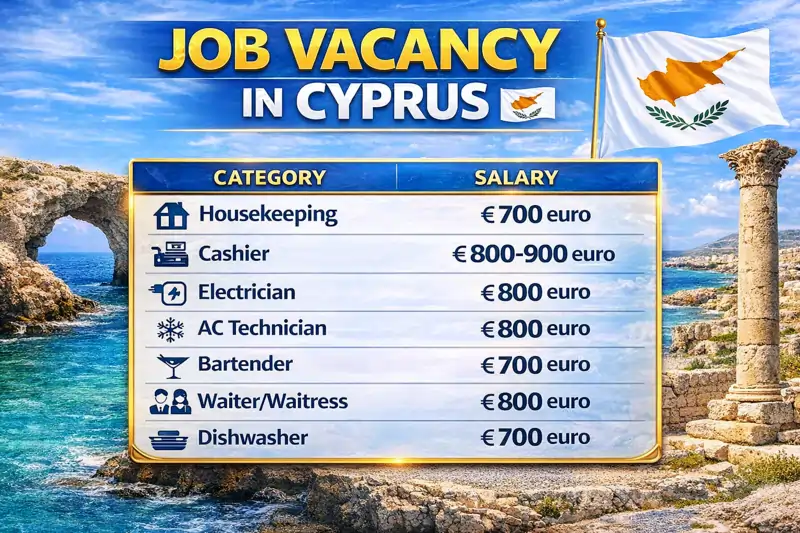
When considering a move to Cyprus for work, salary expectations are often the first thing that comes to mind. Based on the latest job vacancies highlighted in the image, most entry-level and mid-skilled roles offer salaries ranging from €700 to €900 per month. At first glance, these numbers might seem modest compared to other European countries, but the real story lies in how these earnings align with the local cost of living and additional benefits.
To give you a clearer picture, here’s a quick comparison of common job roles and their average monthly salaries:
| Job Role | Average Salary (€/Month) |
|---|---|
| Housekeeping | €700 |
| Cashier | €800 – €900 |
| Electrician | €800 |
| AC Technician | €800 |
| Bartender | €700 |
| Waiter/Waitress | €800 |
| Dishwasher | €700 |
These figures reflect base salaries and do not include extra earnings such as tips, overtime, or bonuses. In hospitality roles like bartending and waiting tables, tips can significantly boost total income, sometimes increasing monthly earnings by 20% to 50%.
Another important factor is job stability versus income growth. Entry-level roles tend to start at the lower end of the salary range, but workers who stay consistent and build experience often see gradual pay increases. For example, a waiter who starts at €800 could move into a supervisory role within a year or two, earning €1,000 or more.
Skilled trades such as electricians and AC technicians also offer long-term financial growth. With experience and specialization, workers in these fields can command higher wages or even start their own businesses.
It’s also worth noting that Cyprus uses the euro, which adds value for workers sending money back home. Even a modest salary can translate into meaningful savings, especially when combined with employer-provided benefits.
Understanding these salary dynamics helps set realistic expectations and allows job seekers to plan their finances effectively before making the move.
Cost of Living vs Salary Reality
Now, let’s talk about the part that really matters—how far your salary actually goes in Cyprus. Because earning €800 per month means very different things depending on your expenses. The good news? Cyprus can be surprisingly affordable if you manage your costs wisely.
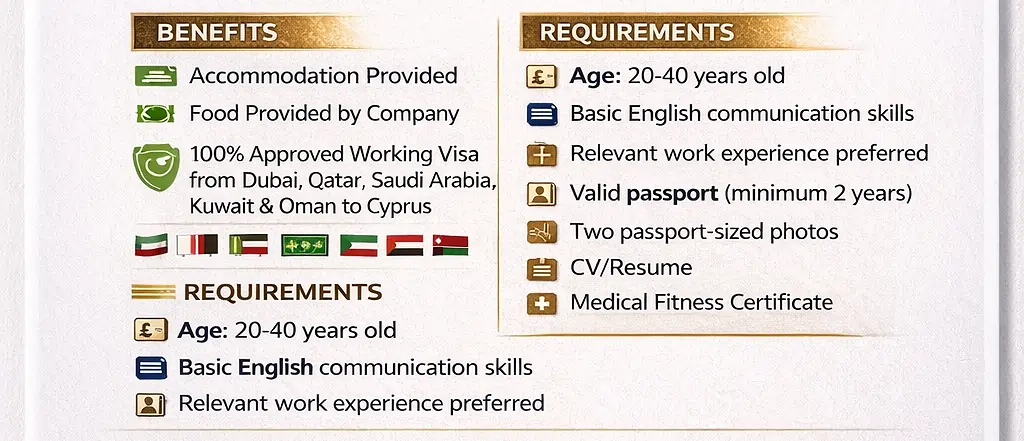
The biggest expense for most workers is accommodation. Renting a private apartment can cost anywhere between €300 and €600 per month, depending on the city and location. However, many employers—especially in hospitality—offer free or subsidized housing. This single benefit can dramatically improve your financial situation.
Food is another essential expense. If you cook at home, you can keep your monthly grocery costs between €100 and €200. Eating out frequently, on the other hand, can quickly add up. Transportation is relatively affordable, with public transport and shared rides helping workers save money.
Here’s where things get interesting: many jobs in Cyprus include perks like free meals during shifts, accommodation, or even utility coverage. When these benefits are factored in, a €700–€800 salary suddenly becomes much more manageable.
Let’s break it down in a realistic scenario. Imagine you’re earning €800 per month as a waiter, and your employer provides accommodation and meals during work hours. Your main expenses would be personal items, occasional dining, and transportation. This could leave you with €300–€500 in potential savings each month.
Of course, not every job offers these benefits, so it’s crucial to clarify what’s included in your employment package before accepting an offer. Hidden costs like healthcare, visa processing, and insurance should also be considered.
Ultimately, the salary in Cyprus is not just about the number—it’s about the overall package. When managed properly, even a modest income can provide a comfortable lifestyle and the opportunity to save money.
Requirements to Work in Cyprus
Work Visa and Permit Process
Before packing your bags and heading to Cyprus, it’s essential to understand the legal requirements for working there. The process largely depends on whether you’re an EU citizen or coming from outside the European Union.
For EU citizens, the process is relatively straightforward. You can enter Cyprus without a visa and start working, but you’ll need to register with local authorities if you plan to stay long-term. This includes obtaining a registration certificate and a social insurance number.
For non-EU citizens, the process is more structured. You’ll need a job offer from a Cypriot employer before applying for a work visa. The employer typically sponsors your application, which includes submitting documents such as your passport, employment contract, medical certificates, and proof of accommodation.
The approval process can take several weeks, so patience is key. Once approved, you’ll receive a residence and work permit that allows you to legally stay and work in Cyprus. It’s important to note that these permits are usually tied to a specific employer, meaning you cannot switch jobs without updating your visa status.
Another key requirement is health insurance. Employers often assist with this, but it’s your responsibility to ensure you’re covered during your stay. Some workers also undergo medical tests as part of the visa process.
While the paperwork may seem overwhelming at first, many recruitment agencies and employers guide workers through each step. This support makes the transition smoother and reduces the risk of errors.
Understanding the visa process ahead of time can save you from unexpected delays and ensure a hassle-free start to your new job in Cyprus.
Skills and Qualifications Needed
One of the most encouraging aspects of working in Cyprus is that not every job requires advanced qualifications. In fact, many of the roles listed—such as housekeeping, dishwashing, and waiting tables—focus more on attitude and reliability than formal education.
That said, certain skills can significantly improve your chances of getting hired. Basic communication skills in English are essential, as it is widely used in workplaces across Cyprus. Knowing Greek can be an added advantage, especially in customer-facing roles.
For skilled jobs like electricians and AC technicians, technical knowledge and hands-on experience are highly valued. Certifications can give you an edge, but practical skills often matter more. Employers are willing to train workers who show potential and a willingness to learn.
Soft skills also play a major role. Employers look for individuals who are punctual, adaptable, and able to work in a team. In hospitality roles, a friendly attitude and good customer service skills can make a huge difference.
Here are a few key skills that can boost your employability:
- Communication skills for interacting with customers and colleagues
- Time management to handle busy work schedules
- Adaptability to adjust to new environments and cultures
- Work ethic to maintain consistency and reliability
Another important factor is physical fitness. Many jobs, especially in hospitality and trades, require long hours of standing, lifting, or moving around. Being physically prepared can help you perform better and avoid burnout.
In essence, while qualifications can open doors, your attitude and willingness to work often determine how far you go in Cyprus’s job market.
How to Apply for Jobs in Cyprus
Best Job Portals and Recruitment Agencies
Finding a job in Cyprus in 2026 isn’t just about luck—it’s about knowing where to look and how to position yourself. The digital job market has made it easier than ever to connect with employers, but not all platforms are equally effective. If you’re serious about landing a job quickly, you need to focus on reliable job portals and trusted recruitment agencies that specialize in overseas hiring.
Online job portals are often the first step for most applicants. Websites like EURES (European Employment Services), Cyprus-specific job boards, and global platforms such as Indeed and LinkedIn regularly list vacancies in hospitality, retail, and skilled trades. These platforms allow you to filter jobs based on your experience, salary expectations, and preferred location, making your search more targeted and efficient.
Recruitment agencies, on the other hand, can significantly simplify the process. Many Cypriot employers rely on agencies to source foreign workers, especially for roles like housekeeping, waitstaff, and technical jobs. These agencies often assist with documentation, visa processing, and even travel arrangements. While some may charge service fees, the convenience and support they provide can be worth it—especially if you’re unfamiliar with international hiring procedures.
Networking is another underrated strategy. Connecting with people already working in Cyprus can give you insider information about job openings and employer expectations. Social media groups, forums, and community pages dedicated to jobs in Cyprus can be surprisingly helpful.
When applying, always tailor your CV to match the job description. Highlight relevant skills, even if they come from informal or previous work experiences. Employers in Cyprus often value practical ability over formal credentials, so don’t hesitate to showcase your strengths.
Ultimately, combining online applications with agency support and networking gives you the best chance of securing a job quickly and efficiently.
Tips to Increase Hiring Chances
Getting hired in Cyprus isn’t just about submitting applications—it’s about standing out in a competitive market. Employers receive numerous applications for each vacancy, so making a strong impression is crucial.
First, focus on your CV. Keep it clear, concise, and tailored to the job you’re applying for. Avoid generic resumes. Instead, highlight specific skills and experiences that match the role. For example, if you’re applying for a waiter position, emphasize customer service experience, communication skills, and your ability to handle busy environments.
Preparation is key when it comes to interviews. Many employers conduct online interviews, especially for international candidates. Make sure you have a stable internet connection, a quiet environment, and a professional appearance. Confidence and clarity in your responses can make a significant difference.
Another important tip is flexibility. Being open to different roles or shifts can increase your chances of getting hired. Employers often prefer candidates who are willing to adapt to their needs, especially in industries like hospitality where schedules can vary.
Here are a few practical ways to boost your chances:
- Apply to multiple jobs instead of relying on a single opportunity
- Follow up on your applications to show genuine interest
- Learn basic Greek phrases to impress employers
- Be honest about your skills and experience
Timing also matters. Applying before the peak tourist season can give you an advantage, as employers start hiring in advance to prepare for increased demand.
Lastly, maintain a positive attitude. Rejections are part of the process, but persistence often pays off. Many workers who are now successfully employed in Cyprus faced multiple rejections before landing their ideal job.
By combining preparation, flexibility, and persistence, you can significantly improve your chances of securing a job in Cyprus in 2026.
Benefits of Working in Cyprus
Working in Cyprus offers more than just a paycheck—it provides a lifestyle that many people find hard to match. One of the biggest advantages is the balance between work and leisure. Imagine finishing your shift and heading straight to a beach or enjoying a sunset by the Mediterranean Sea. This unique combination of work and relaxation enhances overall well-being.
Another major benefit is the relatively low stress environment compared to larger European countries. The pace of life in Cyprus is more relaxed, which can make work feel less overwhelming. For many workers, this translates into better mental health and job satisfaction.
Financially, the inclusion of benefits like accommodation and meals can make a significant difference. These perks reduce your living expenses and allow you to save a portion of your income. For workers sending money back home, this is a huge advantage.
Cyprus is also known for its safety and welcoming atmosphere. The country has a low crime rate, and locals are generally friendly toward foreign workers. This makes it easier to adapt and feel at home, even if you’re far from your native country.
Another interesting aspect is cultural exposure. Working in Cyprus gives you the opportunity to interact with people from different backgrounds, learn new languages, and experience diverse traditions. This not only enriches your personal life but also adds value to your professional profile.
For those looking to build a career, Cyprus can serve as a stepping stone. Experience gained here can open doors to opportunities in other European countries. Employers often value international work experience, especially in hospitality and skilled trades.
In essence, working in Cyprus is not just about earning money—it’s about experiencing a different way of life that combines opportunity, growth, and enjoyment.
Challenges Foreign Workers May Face
While Cyprus offers many opportunities, it’s important to be realistic about the challenges as well. Moving to a new country always comes with adjustments, and being prepared can make the transition smoother.
One of the main challenges is the initial financial setup. Even if you secure a job before arriving, you may need money for travel, visa processing, and basic expenses during your first few weeks. Without proper planning, this can become stressful.
Language can also be a barrier in certain situations. While English is widely spoken, some workplaces—especially smaller businesses—may require basic knowledge of Greek. This can make communication slightly challenging at first, but most workers adapt over time.
Work conditions can vary depending on the employer. Some jobs, particularly in hospitality, involve long hours and physically demanding tasks. It’s important to clarify your working hours, responsibilities, and benefits before accepting an offer.
Another challenge is job security for non-EU workers. Since work permits are often tied to a specific employer, changing jobs can be complicated. This makes it crucial to choose a reliable employer from the start.
Homesickness is another factor that many workers experience. Being away from family and familiar surroundings can be difficult, especially in the beginning. Staying connected through calls and social media can help ease this transition.
Despite these challenges, many workers find that the benefits outweigh the difficulties. With the right mindset and preparation, it’s possible to overcome these obstacles and build a successful work experience in Cyprus.
Conclusion
Cyprus in 2026 presents a promising landscape for job seekers, especially those looking for opportunities in hospitality, retail, and skilled trades. With salaries ranging from €700 to €900 and additional benefits like accommodation and meals, the country offers a practical balance between income and living costs.
The variety of available roles—from housekeeping and cashier jobs to electricians and AC technicians—ensures that there’s something for almost everyone. Whether you’re starting your career or looking for a fresh opportunity abroad, Cyprus provides an accessible entry point into the European job market.
Success, however, depends on preparation. Understanding salary expectations, navigating the visa process, and applying strategically can make all the difference. By staying informed and proactive, you can turn these opportunities into a rewarding experience.
FAQs About Jobs in Cyprus 2026
What is the minimum salary for jobs in Cyprus in 2026?
Most entry-level jobs offer salaries starting from €700 per month, with some roles like cashier positions reaching up to €900.
Are jobs in Cyprus available for foreigners?
Yes, many employers actively hire foreign workers, especially in hospitality and skilled trades due to labor shortages.
Do Cyprus employers provide accommodation?
In many cases, especially in hospitality jobs, employers offer free or subsidized accommodation and meals.
Is it easy to get a work visa for Cyprus?
For non-EU citizens, a job offer is required, and the employer usually sponsors the visa process.
Which jobs are most in demand in Cyprus?
Housekeeping, waitstaff, bartenders, electricians, AC technicians, and retail cashiers are among the most in-demand roles.